カテゴリー: 英語メモ

  • Revice

    Revice

    If + will/would
    Unless (no will/would)
    Unless I study hard, I won’t pass my exams.

    I would be happy if I won the lottery
    I would be excited if my husband gave me a present.
    would (imaginary) = past tense
    I would be dead if I lived in Syria.
    If I traveled to Italy I would find a new husband.

    I tell stories.
    I told a story.
    I told you a story.
    The little girl said that she was lost.
    the little girl told us she was lost.

    good at + ing

    I wouldn’t do something if I were you.
    I wouldn’t buy that watch if I were you.
    I wouldn’t sing that song if I were you.

    She told Jack not to worry.
    he told Jack not to get that car.

    wouldn’t (no to)

    I live in the city.
    I live on the outskirts of the city
    I live on the outskirts of a city in a country.

    success (n)| succeed (v) | successful (adj)| successfully (adv)
    complaint (n) complain (V)
    explanation (n)

  • Reported speech : sentences and questions

    Reported speech : sentences and questions

    I like travelling. → She said that she liked travelling.

    I’m leaving tomorrow. → He told her that he was leaving the next day.

    I’ll always love you. → He said that he would always love me.

    I passed the exam. → She told me that she had passed the exam.

    I’ve forgotten my keys. → He said that he had forgotten his keys.

    I can’t come. → She said that she couldn’t come.

    I may be late. → He said that he might be late.

    I must go. → She said that she had to go.

    • When the reporting verb is in the past tense,the tenses in the sentence which is being reported usually change like this:
      present > past
      will > would
      past simple / present perfect > past perfect
    • Some modal verbs change, e.g can > could, may > might, must > had to.
      Other modal verbs stay the same, e.g. could, might, should, etc.
    • You usually have to change the pronouns, e.g.
      I like Jazz.’ → Jane said that She liked Jazz.
    • Using that after said and told is optional.
    • If you reported what someone said on a different day or in a different place, some other time and place words can change,
      e.g. tomorrow > the next day, here > there, this > that, etc.
      I’ll meet you here tomorrow. → ’He said He’d meet me there the next day.
    SAY and TELL
    Be careful – after said don’t use a person or an object pronoun:
    He said he was tired. NOT He said me he…

    After told you must use a person or pronoun:
    Sarah told Cally that she would call her. NOT Sarah told that she …
    He told me he was tired. NOT He told he was …


    Reported questions

    Are you married?’ → She asked him if he was married.

    Did she phone?’ → He asked me whether she had phoned.

    ‘What‘s your name?’ → I asked him what his name was.

    ‘Where do you live?’ → They asked me where I lived.

    • When you report a question the tense change as in reported statements.
    • When a question doesn’t begin with a question word, add if(or whether).
      ‘Do you want a drink?’ He asked me if /whether I wanted a drink.
    • You also have to change the word order to subject + verb,and not use do/did.

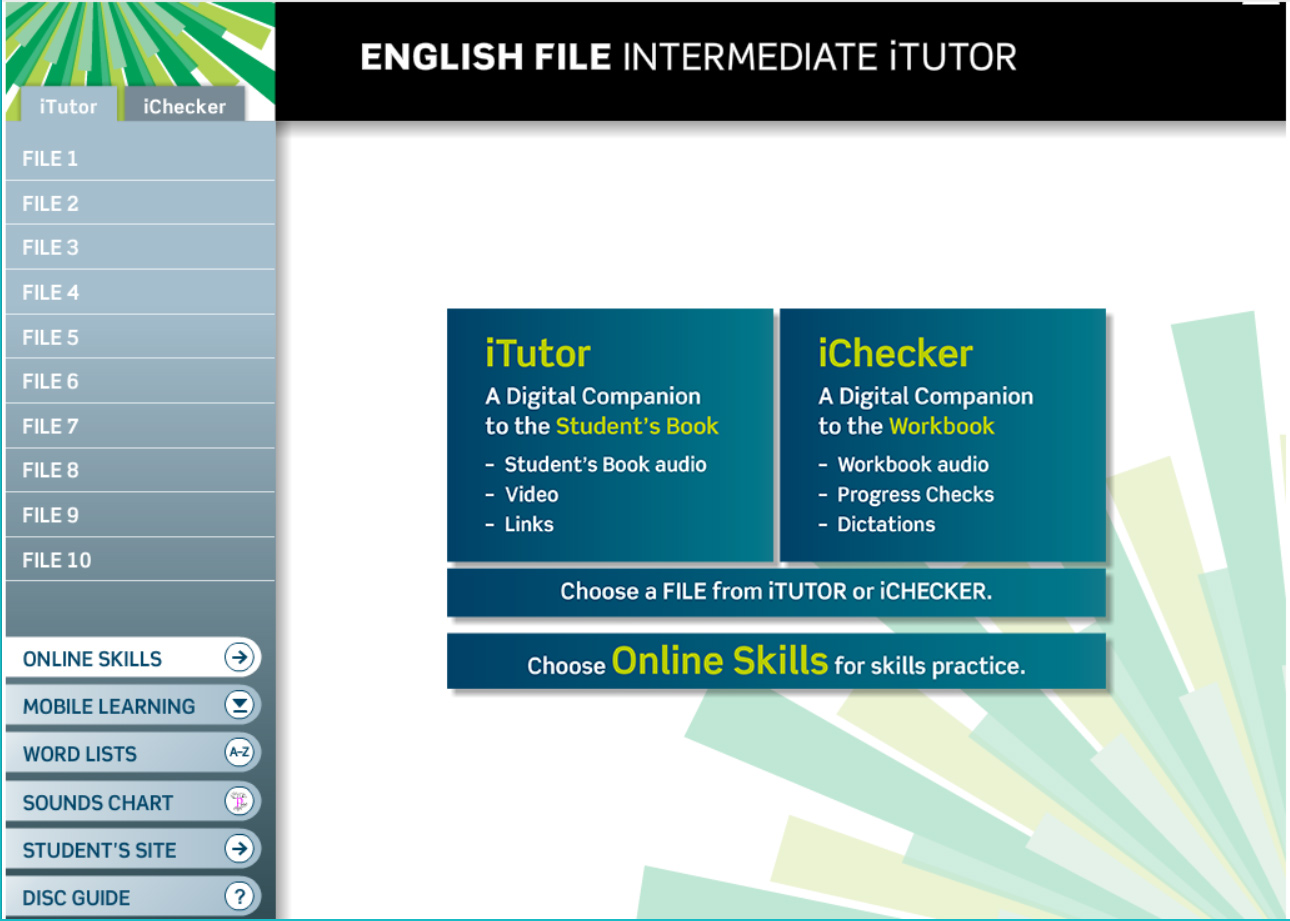
    quoted from Oxford English file Intermidiate MultiPack

  • チェックテストの間違いの覚書。FILE8

    チェックテストの間違いの覚書。FILE8

    チェックで間違えた文章。正しいのを記載。
    James said that he hadn’t spoken to his ex-girlfriend recently.
    間違いは継続。

    The teacher said that she would give us our results the next day.
    間違いは未来形。

    Their first film was a great success, and now they’re working on a sequel.
    間違いは名詞。

    I’ve just heard your grandmother died last week.I’m so sorry for your loss.
    間違いは名詞。

  • Its the thought that matters

    Its the thought that matters

    Its the thought that matters.

    its the thought that counts.
    気持だけで嬉しい。(感謝の言葉)

    こちらのベストアンサーがわかりやすい。
    「あなたの叔母さんからクリスマスプレゼントに変なデザインの帽子をもらったとして、でも大事なのは、帽子のデザインじゃなくて、叔母さんがあなたを愛していて、あなたのために帽子をプレゼントしたことだよ。」

  • How did he died?

    How did he died?

    How did he died?
    人が亡くなったときには、why ではなくて How でたずねる。

    He had car accident.
    彼は交通事故にあいました。

    He was drink driving.
    He drove drunk.
    彼は飲酒運転しました。